Oil and gas pipelines act as the veritable arteries of the Earth, utilizing vast networks of steel and plastic piping to transport oil and natural gas across the globe. They play a pivotal role in international relations, enabling regions that lack natural resources to secure energy supplies.
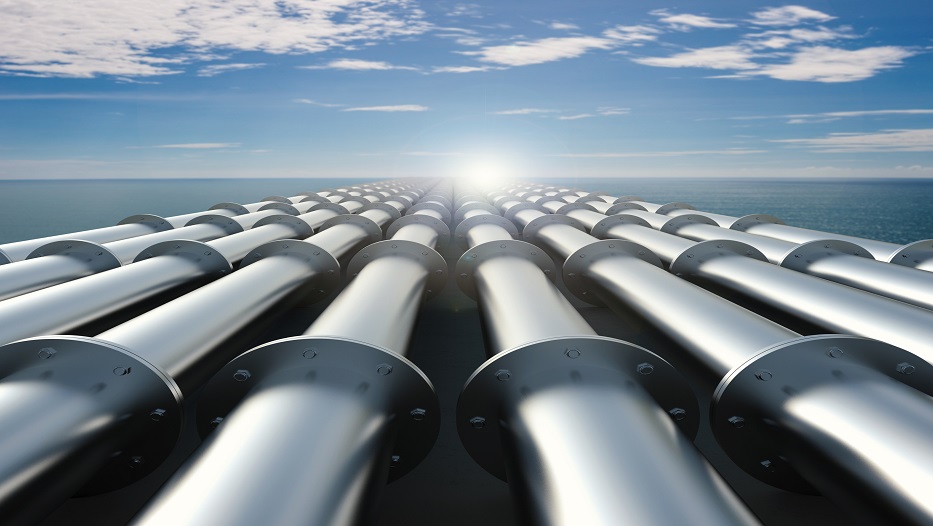
Oil and gas pipelines act as the veritable arteries of the globe, utilizing vast networks of steel and plastic piping to transport petroleum and natural gas to every corner of the world. They play a pivotal role in international relations, enabling regions lacking natural resources to secure energy supplies.
Although natural gas resources are less geographically concentrated than oil reserves, production sites are distributed across the globe. In terms of pipeline length and transport capacity, the most significant natural gas lines are those connecting Siberia to Europe. A particularly notable example is the Yamal-Europe pipeline, which originates north of Moscow and traverses Belarus, Poland, and Germany. The world’s longest subsea natural gas pipeline—Nord Stream—also originates in Russia (at Vyborg) and runs to Germany.
Europe’s energy dependence on Russia extends to oil as well. Indeed, the world’s longest oil pipeline, the Druzhba (Friendship) pipeline, originates in Russia and splits into two branches after reaching Belarus: one leads to Poland and Germany, while the other serves Ukraine, Hungary, Slovakia, and the Czech Republic, spanning a total length of 8,900 kilometers. Nevertheless, the primary corridors for fuel transport remain concentrated in the Middle East. Key routes lead to the Red Sea and the Persian Gulf, where distribution hubs facilitate the onward transport of crude oil via tanker to destinations worldwide.
These pipelines hold strategic importance in other regions of the world as well. This significance is particularly evident in Latin America, home to the vital Gasbol pipeline (transporting natural gas from Bolivia to Brazil) and the line connecting Comodoro Rivadavia in Patagonia to Buenos Aires. In addition, there are two pipelines currently under construction in the region: the "National Unified Gas Pipeline" (Gasun), which will connect the Gasbol pipeline (located in Bolivia) with states in Brazil's northern Amazon and northeastern regions; and the "Southern Peruvian Gas Pipeline" (Sur Peruano), which will cross the Andes to transport natural gas from the Falkland Islands to the coastal area of Arequipa.
Advantages of Pipeline TransportGrowth forecasts for these transport channels indicate that oil and natural gas will remain primary global energy sources. According to OPEC estimates, these two energy sources will still meet over 50% of global energy demand by 2040, with daily crude oil demand projected to rise by 14.5 million barrels between now and then.
The true potential of pipeline transport lies in its nature as a hydrocarbon transport system, offering several advantages over traditional methods:
– Greater cost-efficiency. Beyond their high transport capacity, pipelines require energy only to power the centrifugal pumps that drive the flow of material. A standard 20-inch diameter pipeline can transport approximately one million liters of material per hour, whereas a tanker truck carries only 30,000 liters. When accounting for volume differences and labor costs, transport by truck or ship can be up to 15 times more expensive than pipeline transport.
– Greater reliability. Pipeline transport is less susceptible to environmental and socioeconomic risks such as earthquakes, strikes, or road closures. Although the transport speed is relatively slow (5 to 10 km/h), operations are steady and continuous, running 24 hours a day, year-round. This ensures timely delivery of materials to distribution centers.
– Greater safety. Pipeline control systems automatically shut off flow if a potential leak—such as a loss of fuel—is detected. Because pipelines are typically buried underground, the probability of serious accidents is far lower than with truck or even rail transport.
Furthermore, since operations require no on-site personnel and are generally located away from population centers and major traffic arteries, potential risks are significantly reduced. At the same time, transporting products via pipelines eliminates the pollution and noise associated with road and maritime transport, thereby mitigating environmental impact.
Risk ManagementAlthough transporting fuel via these pipelines is relatively safe, handling hydrocarbons requires a risk management system to prevent emergencies and enable immediate repair of any damage.
Operational risk analysis is essential to evaluate all events that could trigger an alert. This includes assessing the probability of independent events; facility vulnerability; risk calculations based on vulnerability and probability; impact assessments of various hazardous incidents; risk classification (high, medium, low); and the formulation of mitigation measures or design changes to reduce the likelihood of occurrence or alleviate impacts.
The primary risks facing this infrastructure include:
– External mechanical damage. This is the most common risk, typically occurring during excavation or drilling near the pipeline or due to impacts on the pipeline system. Prevention strategies focus on communication, the installation of warning signs, and personnel training and awareness programs.
– Corrosion. Pipelines are susceptible to external corrosion (often caused by coating degradation, cathodic protection failure, or highly corrosive environments) and internal corrosion (usually linked to the properties of the transported fluid or metallurgical defects in the base material). Corrosion can cause localized defects, compromising structural integrity and leading to leaks. Ultrasonic intelligent pigging (in-line inspection) is required to control corrosion.
– Loss of foundation support. Seismic activity, sinkholes, landslides, floods, or natural water erosion can destabilize the foundation, resulting in structural damage. Therefore, conducting terrain analysis prior to construction—and performing post-incident analyses to check for deterioration and implement repairs—is crucial.
– Wear and tear. Stresses incurred during construction and material defects can lead to leaks over time. This necessitates detailed quality analysis of materials and processes. Additionally, conducting strength tests (at pressures exceeding actual operating pressures) prior to initial commissioning helps identify material and structural defects.
– Third-party actions. While less frequent, theft and sabotage can occur; however, the threat to underground pipelines from these activities remains relatively manageable. For pipelines laid above ground, such potential risks necessitate the establishment of security systems, including fencing and surveillance facilities.
Existing monitoring systems are capable of detecting and pinpointing leak locations based on minute changes in flow rate or pressure.
Looking Toward Future TechnologiesThe future of these pipelines lies in the application of new technologies to their operation and maintenance, as well as in innovations regarding construction materials.
Technological advancements—enabling process automation, task monitoring, and the aggregation of vast amounts of information—are enhancing the safety of this fuel transport infrastructure and, consequently, the reliability of project implementation.
Undoubtedly, the future of the pipeline industry will hinge on how technology is applied to construction, operation, and maintenance. Beyond established process management and control tools (such as operational software and leak detection systems), new technologies are increasingly being integrated into this framework. These technologies leverage data analytics—including big data and artificial intelligence—drawing not only on operational data but also on sensor data from internal equipment (such as pipeline inspection gauges, or PIGs) and external devices (such as drones).
These technologies not only optimize operational efficiency but also reshape the approach to pipeline maintenance, thereby reducing leak risks and accelerating repair times. Concurrently, innovation efforts are focusing on improving pipeline materials to extend service life, which currently averages around 20 years.


